


Glittering Stones >>Semi precious stones >> Pyrite
Semi Precious Stone Pyrite
Pyrite is the most common form of the sulfide minerals. It is usually found associated with other sulfides and oxides in quartz veins, sedimentary rock and metamorphic rock, as well as in coal beds, and also as the replacement mineral in fossils.
Pyrite exposed to the environment during mining and also excavation reacts with oxygen and water to form sulfuric acid, resulting in acid mine drainage. This results from the action of Trio bacillus bacteria, which generate their energy by using oxygen to oxidize ferrous iron (Fe2+) that ferric iron (Fe3+). The ferric iron in turn reacts with pyrite to produce ferrous iron and also sulfuric acid. The ferrous iron is then available for oxidation by the bacteria; this cycle could continue until the pyrite is exhausted.

Historical Facts of Pyrite
Refractive index: Opaque
Chemical Composition: Iron disulfide (FeS2)
Crystal system: Isometric
Mohs Scale hardness: 6 – 6.8
Density: 4.95 – 5.10
Luster: Metallic, Glistening
Color: Pale brass yellow, Dull gold
Gemstone Jewelry Pyrite
Bracelet |
 |
Earring |
 |
Necklace |
 |
Rings |
 |
NOVEMBER BIRTHSTONE - CITRINE
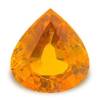
COMMEMORATIVE EVENT - 13th Anniversary
KEYWORDS - Success, Abundance, Personal Power
ALSO KNOWN AS - Merchant's stone, Success stone
COLORS - Pale yellow to brown
OCCURRENCE - Brazil
COLOR ZONING - Tiger stripes or Zebra stripes
 |
|